
BLOG
EVERGEE ENERGY TECHNOLOGIES BLOG
Articles for the engineers and facility managers who keep standby generators ready to run. We write about what happens to diesel fuel while it waits in a tank, from water and microbial growth to ageing and sediment, and how fuel testing and fuel polishing deal with it. We also explain what standards such as NFPA 110 and ASTM D975 ask of a site, and why newer engines need cleaner fuel.
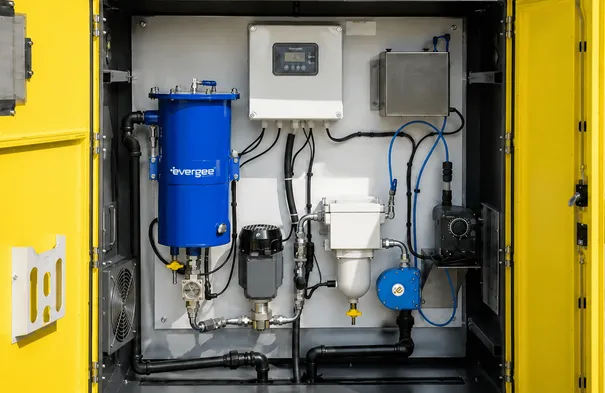
Industrial Fuel Polishing Systems: What to Check Before You Buy One
Fuel Polishing, Tank Cleaning or Fuel Replacement: Which One a Site Needs
Fully Welded Ball Valves in High-Pressure Gas and High-Temperature Lines
When the Generator Is the Grid: Fuel Systems for Continuous Running
Fuel Readiness in Data Centre Commissioning
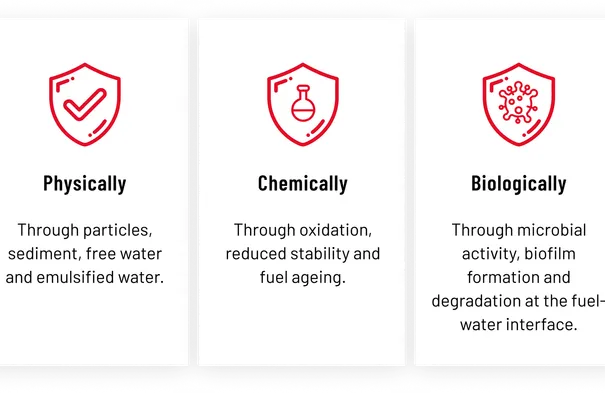
ASTM D975 and EN 590: What a Fuel Specification Does Not Cover
What BMS and SCADA Integration Adds to a Generator Fuel System
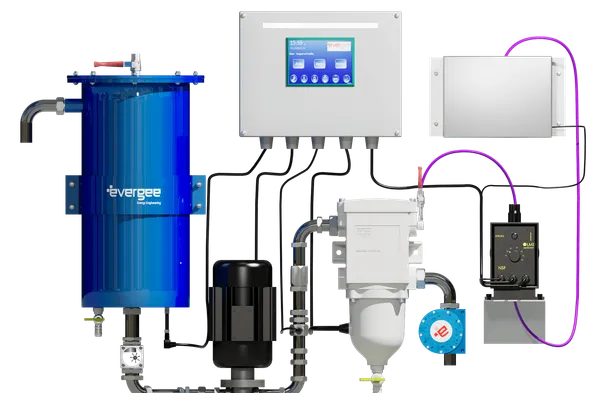
Day Tanks: The Part of the Fuel System That Fails Quietly
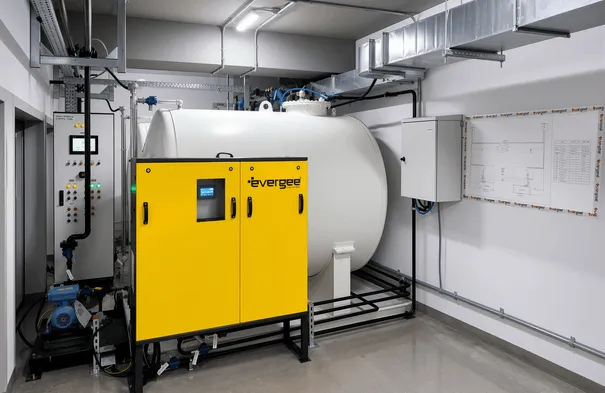
Sizing a Fuel Polishing System: Flow Rate, Tank Volume and Turnover
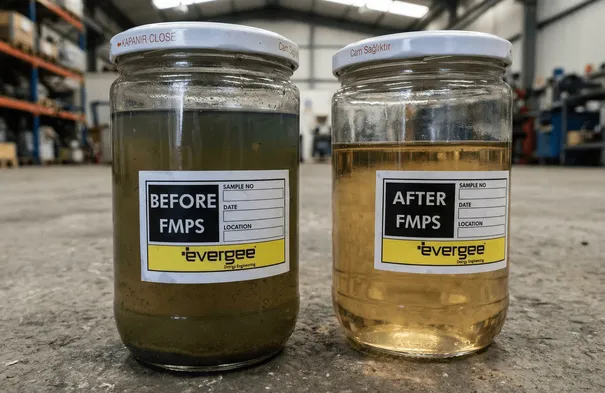
Where the Water in Your Fuel Tank Comes From, and How to Get It Out
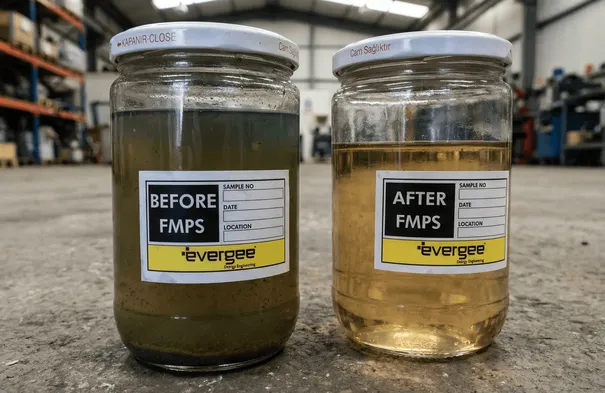
Diesel Bug: What Microbial Growth Does to Stored Fuel
Storing Diesel at 45°C: Fuel Degradation in Gulf Conditions
Why Stored Diesel Degrades Faster in Tropical Climates
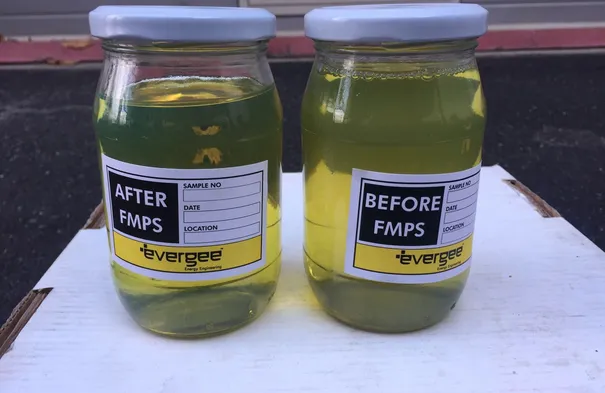
How Often Should Stored Diesel Fuel Be Tested?
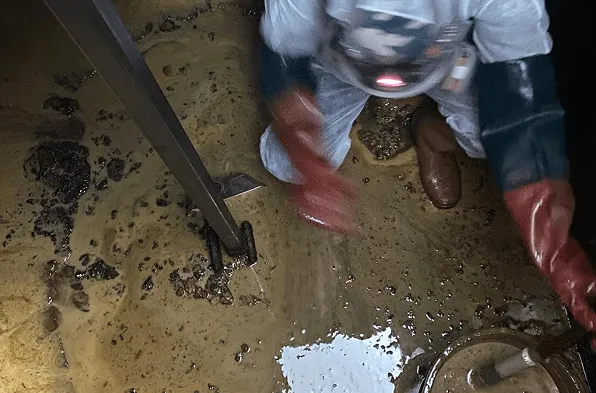
Why Diesel Quality Is Critical for Emergency Power
What Is Fuel Polishing?
Fuel Polishing Systems and Fuel Maintenance